
若 新 雄 純: What This Japanese Name Search May Mean

An insightful review of 若 新 雄 純: What This Japanese Name Search May Mean—uncover what experts are saying.
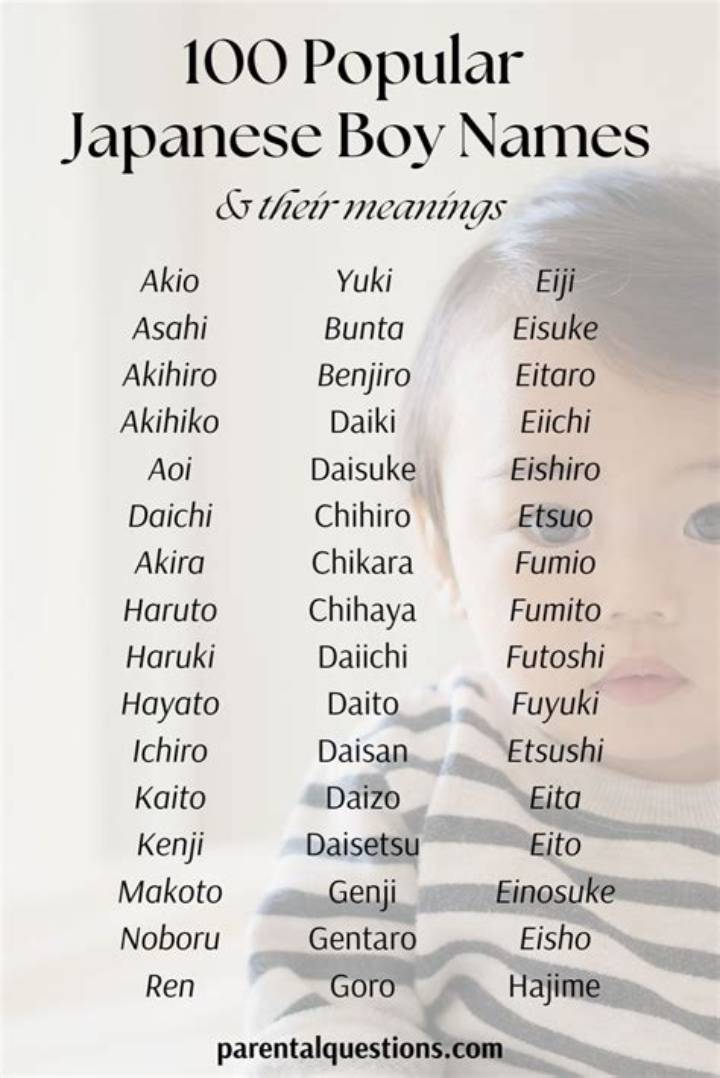
Japanese names are compact, but they are not always simple. A pair of kanji may have several accepted readings. Families may preserve older readings. Parents may choose readings for given names that are legal and meaningful within their own context but hard for outsiders to predict.
Romanization adds another layer. The same Japanese sound may be written in several ways in Latin letters. Long vowels may be marked, omitted, or simplified. For example, a name containing ゆう can appear as Yu, Yuu, Yū, or Yoo, depending on the system and the person’s preference. Search engines do not always connect these forms cleanly.
Kanji compounds can also overlap with ordinary vocabulary. 新 may appear in news articles simply because it means “new.” 若 can appear in words about young people. 純 may occur in discussions of purity, chemistry, music, or product labels. 雄 may appear in biological contexts or male names. A query made of separate kanji can pull in noisy results fast.
David Miller brings 15 years of experience in global economics, personal finance strategy, and market dynamics. He specializes in turning complex economic trends into actionable insights for everyday readers.
