
Deepfake 46: the New Frontier of Ai-Generated Deception and Its Risks

If you are tracking Deepfake 46: the New Frontier of Ai-Generated Deception and Its Risks, this article provides key summaries you shouldn't miss.
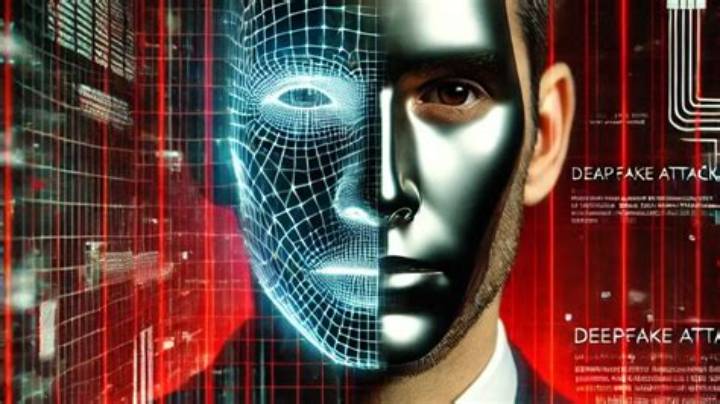
Looking ahead, the trend is clear. Deepfake 46 will only get better. The cost of computing power is dropping, and the algorithms are becoming more efficient. Within a few years, real-time deepfake generation on a smartphone may be possible. This will make live video calls vulnerable to impersonation.
There is also the possibility of deepfake 46 being used for positive purposes. Film studios could use it to de-age actors or recreate historical figures for educational content. It could also be used in therapy or language learning. But the potential for abuse currently overshadows these benefits.
The key battleground will be trust. We are moving toward a world where digital evidence is no longer reliable. This has profound implications for journalism, law enforcement, and the justice system. Courts will need new standards for authenticating video evidence. News organizations will need to adopt rigorous verification workflows.
Marcus Vance is a cybersecurity auditor and technology writer dedicated to educating the public about online safety, data privacy regulations, enterprise security, and emerging cyber threats.
